Petros Giannikopoulos, director of the clinical laboratory at the Innovative Genomics Institute at the University of California, Berkeley, explains in 101 seconds the bespoke treatment developed in record time for a very special patient, whom we have mentioned many times here on CRISPeR Frenzy: Baby KJ. The video was shot by Sean Patrick Farrell.
Inspired by the Baby KJ case, the agency proposes a flexible framework allowing personalized treatments for individual patients to contribute to shared, platform-based approvals.
The announcement appeared on November 12 in the New England Journal of Medicineunder a seemingly cautious title: “The FDA’s New Plausible Pathway.” Yet the article, written by two senior figures at the Food and Drug Administration, reveals vision and leadership. For once, it is worth starting from the end, which reads like a strong statement of intent: “Nearly 30 years after the sequencing of the human genome, bespoke therapies are close to reality. The FDA will work as a partner and guide in ushering these therapies to market, and our regulatory strategies will evolve to match the pace of scientific advances.”
The FDA is set to authorize “umbrella” clinical trials for rare diseases; the new approach will make the process faster and more sustainable by combining data from similar protocols, cutting redundant procedures, and reducing animal testing.
The coordinated effort that last spring saved the life of little KJ Muldoon earned widespread and enthusiastic media coverage. But between the invention of the treatment and its delivery to the patient lay a lesser-told story: an unprecedented manufacturing sprint. Genetic Engineering & Biotechnology News organized an online roundtable led by its deputy editor in chief, Julianna LeMieux, to discuss how therapeutic components were produced quickly, cost-effectively, and to clinical-grade standards.
The announcement was made yesterday at the annual meeting of the American Society of Gene & Cell Therapy and simultaneously published in the New England Journal of Medicine. I wrote about it for the Italian edition of Scientific American, but this story is worth seeing and reading. PS: Before KJ was treated for his metabolic disorder, there was the case of Terry Horgan, who had muscular dystrophy. Unfortunately, the personalized treatment for him came too late, and he did not survive an adverse reaction. So yes, we can say that KJ represents a first: the first time genome editing was used early, rapidly, and tailored enough to truly offer hope for a happy ending.
Uditi Saraf died before receiving treatment, but efforts launched for her could help spell a happy ending for other patients awaiting advanced life-saving therapies
Uditi Saraf with her mother. Credit: Rajeev and Sonam Saraf
Familial encephalopathy with neuroserpin inclusion bodies is a rare neurodegenerative disease with no cure due to the accumulation of toxic proteins in the brain. Depending on the specific mutation, the age of onset can vary greatly. In Uditi Saraf’s case, the first symptoms started early, at age 9. As she worsened, her parents decided to have her genome sequenced, identifying the genetic defect and diagnosing the condition. Their race against time to try to save their daughter was chronicled in an article in Nature, which also offers a glimpse into India’s efforts to make genomic treatments more accessible (see also Nature Biotechnology on gene and cell therapies in the Global South).
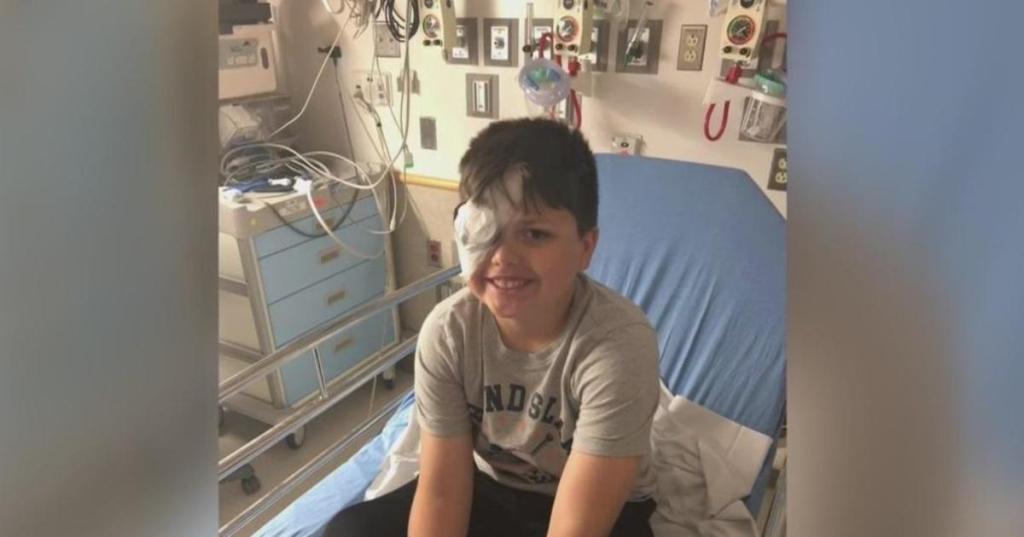
Jacob Peckham, 11, can see much better after receiving an experimental CRISPR-based treatment. The American child, a carrier of a genetic defect that impairs the retina, has had surgery on only one eye and hopes to complete the treatment in the future. However, his wish is unlikely to be granted because the company that developed the treatment (Editas) had to abandon the program due to affordability issues. To give a future to treatments for rare diseases such as this one, insists editing pioneer Fyodor Urnov, it is crucial to build a new model for research, development, and production – that is, to simplify, standardize, integrate, scale up.
My feature on the dark genome published in the Italian edition of Scientific American won the journalism prize on rare diseases. Wondering if CRISPR is useful for studying the function of dark genes? Of course it is!



 CRISPeR FRENZY