Genetic gain is a team game

[The number of studies investigating the impact of modifying one or a few genes on the yield of a crop]

Some champions can make a difference, but to win matches and tournaments, there must be chemistry among the players. The same happens for the effort to increase the productivity of crop plants. Hunting down the single key gene, hoping it will work the miracle, is not enough. One must focus on the harmony of genetic combinations, through approaches that marry the most advanced technologies with agronomic knowledge. In short, handling DNA and test tubes is fine, but it is equally important to know what actually works when the plants reach the field. That’s the message a group of influential researchers such as Pamela Ronald of the University of California at Davis delivered to the pages of Nature in a commentary provocatively titled “Genetic modification can improve crop yields – but stop overselling it”.

Continue reading
CRISPR-enabled carbon capture. What’s up?

Credit CSRWire

The Innovative Genomics Institute runs a program aiming to “supercharge plants and soils to remove carbon from the atmosphere” with the help of CRISPR and funding from the Chan Zuckerberg Iniziative. I asked Andy Murdock, communications director at IGI, three questions to update the picture. Please see his answers below.

Continue reading

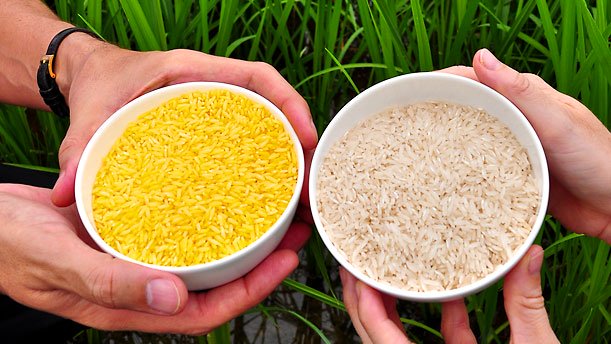
Prime-edited rice & CRISPR golden rice

Do you remember prime editing? It’s the new ‘search-and-replace’ genome editing technology that mediates targeted insertions, deletions, all 12 possible base-to-base conversions, and combinations thereof. The first good news is that David Liu et al. adapted prime editors for use in rice and wheat, so don’t miss their paper in Nature Biotechnology.

Continue reading