
China is the “Innovation Nation” and “The next biotech superpower”, according to the November issue of Nature Biotechnology. Beijing is “set to challenge the pre-eminence of the US drug market. If it can address gaps in its R&D ecosystem and clinical infrastructure, it may even become a home for biotech innovators”, says the editorial.
Continue reading Pollination is a natural way to deliver DNA into plant cells. So why not to use pollen as a vehicle for CRISPR machinery to start genome editing? HI Edit, as this approach is called, has been successfully tested by Syngenta in corn, Arabidopsis and wheat in the lab. Please see the paper just published in

 Up and down, following the excitement for the latest scientific exploit or frustration for disappointing results. CRISPR is young but already knows how volatile is the market. “Preprint wipes millions off CRISPR companies’ stocks,” cries the March issue of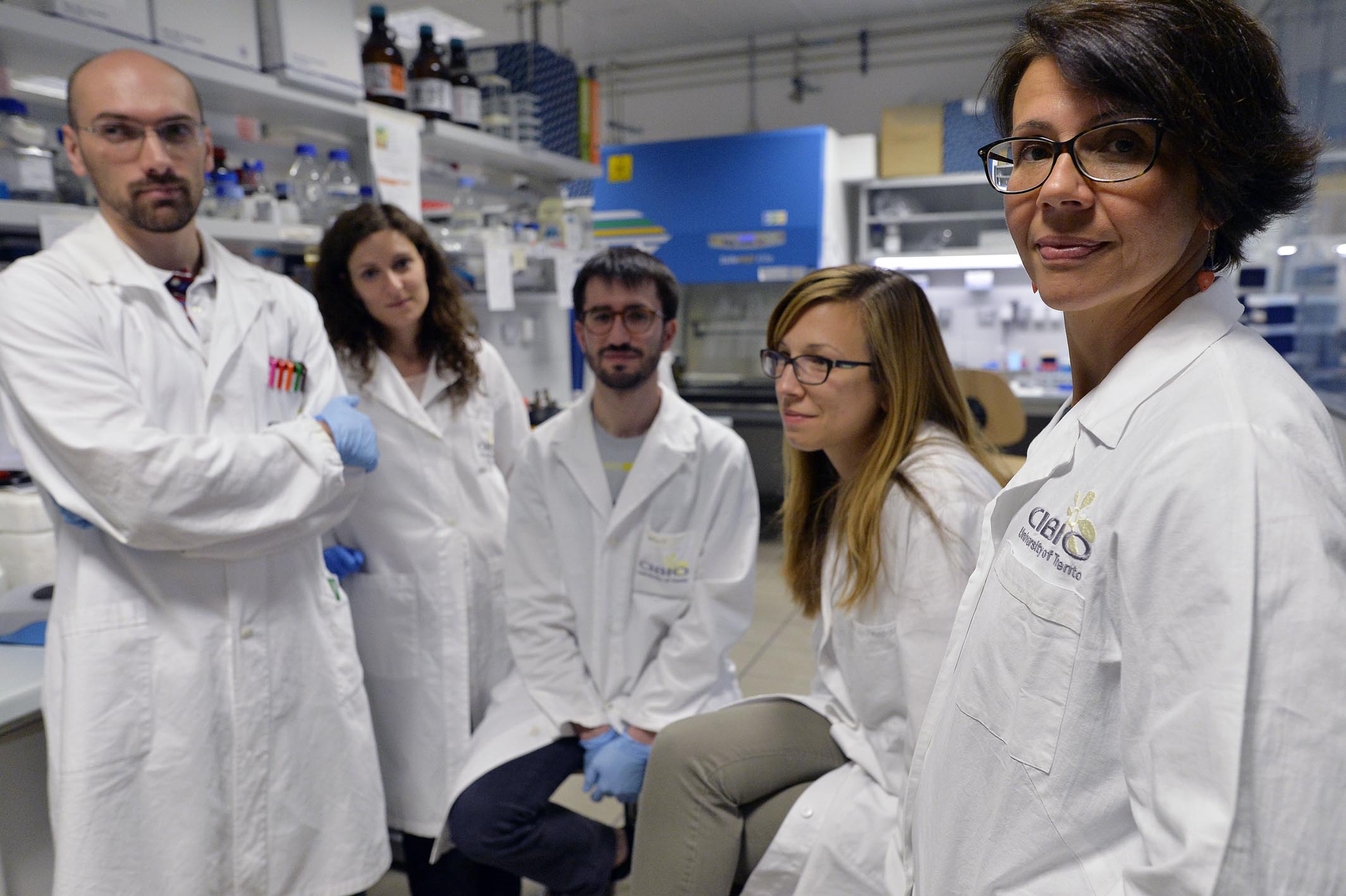
![nanoparticle MIT[1423]](https://mycrispr.blog/wp-content/uploads/2017/11/nanoparticle-mit1423.jpg) Suppose you have developed the winning weapon to defeat certain genetic diseases by reliably correcting pathogenic mutations. There is still a problem: how do you march onto the battlefield, inside sick cells? The weapon is the genome-editing machinery, and the most efficient vessel ever tested are lipid nanoparticles. With this approach, described in a study published in
Suppose you have developed the winning weapon to defeat certain genetic diseases by reliably correcting pathogenic mutations. There is still a problem: how do you march onto the battlefield, inside sick cells? The weapon is the genome-editing machinery, and the most efficient vessel ever tested are lipid nanoparticles. With this approach, described in a study published in  CRISPeR FRENZY