A year after the European Parliament voted to ban patents, EU countries still seek a compromise on NGT regulation
The revision of the regulatory framework for genetically modified plants currently underway in Europe aims to keep pace with technological advances and support the development of sustainable agriculture. The scientific community, the seed industry, and major farmers’ associations view the overall framework positively, but the devil is still in the details.
The scientific community has warmly welcomed the proposal for partial deregulation of new genomic techniques put forward by the European Commission last July. Unfortunately, the legislative process will not be able to make significant progress before the next parliamentary term, which opens with the European elections in June 2024. However, this time will not be wasted if it serves to address a few problematic points and to finalise a few clarifying amendments. The devil is in the details: from the 20-nucleotide threshold proposed to delimit permissible interventions on the genome to the unknowns regarding coexistence with organic farming, not forgetting the stigma against herbicides. This article published in Nature Biotechnology by Belgian and German researchers is useful for going through the still unresolved issues.
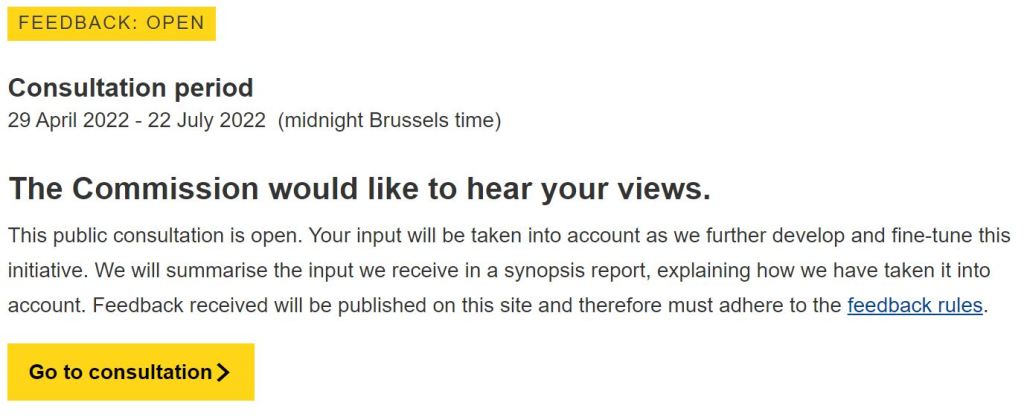
The European Commission is collecting comments on the proposed regulation on New Genomic Techniques (NGTs) presented on 5 July. On this page you will find all the documents you need to form an opinion: from the criteria for establishing when a NGT plant is comparable to a conventional plant, to calculations on the costs of coexistence for organic producers (see in particular the Impact assessment report). The feedback received during the consultation period (8 weeks, extendable) will be summarised by the European Commission and presented to the European Parliament and the Council to feed into the legislative debate. In general, CRISPeR Frenzy appreciates the proposed regulation, especially for its focus on the promised benefits of NGTs in terms of environmental sustainability.
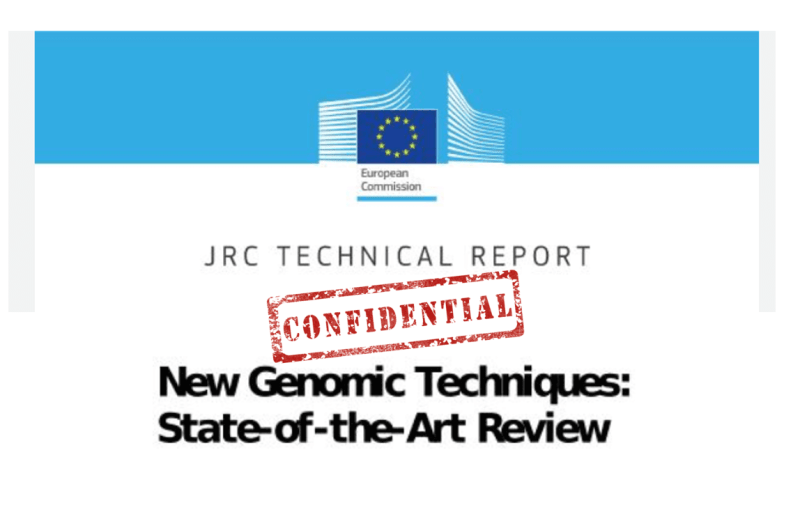
The European Commission’s proposal for an updated regulatory framework for New Genomic Techniques was presented today (see here the leaked confidential document circulating online, here the offical document and more)
There is great disorder under the heavens of new biotechnology. Judging by the Italian debate on genetic innovation in agriculture, it seems that we no longer know what to call what. We are waiting for the European Commission to present its proposal to regulate ‘new genomic techniques’ (NGTs) on 5 July (see the leaked draft here). But in the meantime, on 9 June, the Italian Parliament approved a regulation in favour of experimentation with ‘assisted evolution techniques’ (TEAs), which are the same thing. However, if you read the official wording (9 bis, drought decree law) this expression is missing: instead, it refers to the deliberate release into the environment for experimental purposes of ‘organisms produced by genome editing techniques through site-directed mutagenesis or by cisgenesis’.
The European Commission’s proposal for an updated regulatory framework for New Genomic Techniques is due on 5 July, but someone leaked the confidential document online. In a nutshell, if the modification could also have been achieved naturally or by conventional methods, and the plant has the same risk profile as its conventional counterpart, it should be treated similarly to conventional plants and differently from GMOs (it would not require authorisation, risk assessment, traceability, labelling as GMO, but would be placed in a transparency register). For plants in which editing or cisgenesis has led to results that differ from conventional ones, the current GMO rules apply. You can read the Genetic Literacy Project’s explanation here.
Please note a couple of things environamental NGOs and organic producers should like: herbicide-tolerant NGT plants would remain subject to GMO rules, and all NGT plants would remain subject to the prohibition of use of GMOs in organic production.
On April 29, the European Commission launched an online public consultation on whether the EU regulatory framework should be reformed to keep pace with scientific and technological advances. The results, released on the consultation website, show a clear majority in favor of rethinking the current rules, which were approved when New Genomic Techniques (NGTs) such as targeted mutagenesis (i.e., CRISPR) did not yet exist. Here are the highlights:
Participatory democracy means citizens have a say in the process of policymaking. Here is your chance to contribute to creating an updated, science-based European legal framework for edited plants. You will be asked questions such as: “Should the potential contribution to sustainability of the modified trait of a product be taken into account in new legislation on plants produced by targeted mutagenesis or cisgenesis?”
You may have heard of the recent European Commission report on the New Genomics Techniques. But you probably don’t know how member states answered the related questionnaire. ““Could NGT-related research bring opportunities/benefits to science, to society and to the agri-food, medicinal or industrial sector?”. This and more in my news feature for Nature Italy.
European scientists must wait for the EC to carry out targeted consultations with Member States and EU-level stakeholders. Then the Commission study on new genomic techniques will be delivered by 30 April 2021. In the meantime, the United States has decided to relax the rules for biotech crops.








 CRISPeR FRENZY