
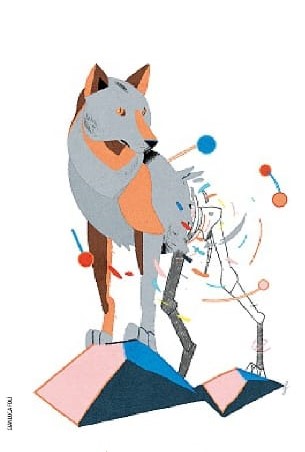
The dire wolves “genetically resurrected” by the U.S.-based company Colossal have impressed many with their beauty but have also scandalized others. Among the latter are commentators criticizing the media hype, and naturalists worried that a few partially “de-extinct” animals may attract more attention than the long list of species currently at risk of extinction due to climate change and other human actions. It doesn’t help that the dire wolves’ comeback has no foundation in published scientific data—no peer-reviewed articles, no preprints yet, only two extensive reportages and some YouTube videos. There is certainly room for controversy. However, if we only listen to the critical voices, we risk losing sight of some key facts.
Continue reading
 CRISPeR FRENZY