
 Perfection is not of this world, and no technology is perfect. But tolling the bell for CRISPR because of a single preliminary study last week was premature at best. Many voices are doubting the meaning of the Nature Methods paper reporting “hundreds of unintended mutations” putatively caused by genome editing. Some researchers have already announced that critical analyses and rebuttals are forthcoming. Continue reading
Nobody’s perfect. Neither CRISPR nor peer-review
Reply

 The aim is engaging: to treat an increasing number of diseases by correcting the underlying genetic defects. And researchers are breathing optimism at last. The San Raffaele Telethon Institute for Gene Therapy (
 From the
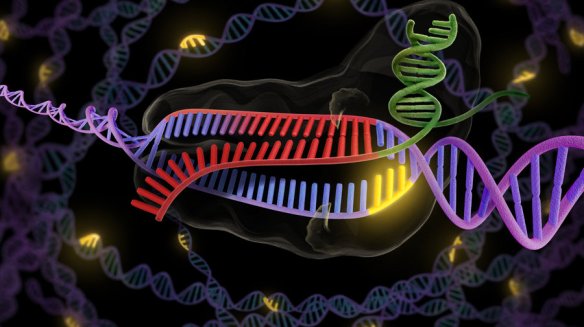 This week our journey among leading labs takes us to meet a pioneer of gene silencing. Pino Macino contributed to the birth of RNA interference, a field awarded a Nobel prize in 2006, and teaches cell biology at Sapienza University of Rome. He thinks CRISPR is a great leap forward in understanding the function of genes.
  Genome editing seems tailored for Italian agriculture as DNA can be modified without introducing foreign sequences and without destroying the legal identity of traditional cultivars. CRISPR could help developing plants more resistant to diseases, for example, avoiding at the same time bureaucracy and public perception problems that have slowed the adoption of GMOs. The stakes are high but some hurdles stand in the way. We have interviewed Michele Morgante, geneticist from the University of Udine and President of the Italian Society of Agricultural Genetics.
  CRISPeR FRENZY