
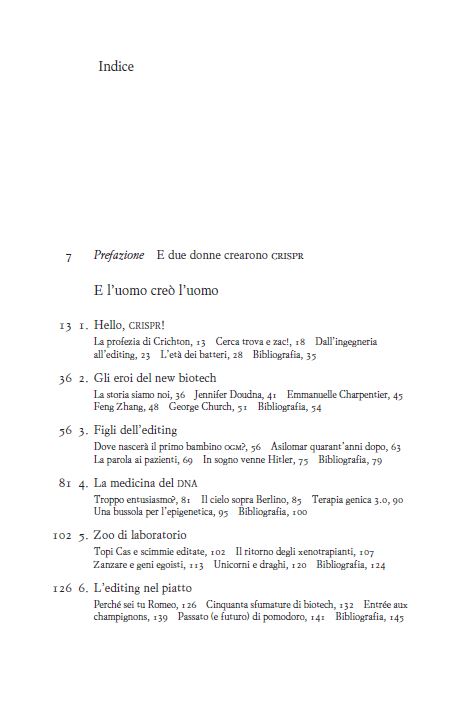


Everything you need to know about the Nobel-winning genetic scissors. Out today in Italy.
My CRISPR book, purple edition!
Reply

Everything you need to know about the Nobel-winning genetic scissors. Out today in Italy.

They are two of only seven women who have won the Nobel Prize for Chemistry. At the Spark 2021 conference, they chatted about ethics, being women in science, the future of research, and much more. Frances Arnold was the interviewer and Jennifer Doudna the interviewee. The following is an extract of their conversation, dealing with the challenge of starting companies while running a top academic lab.
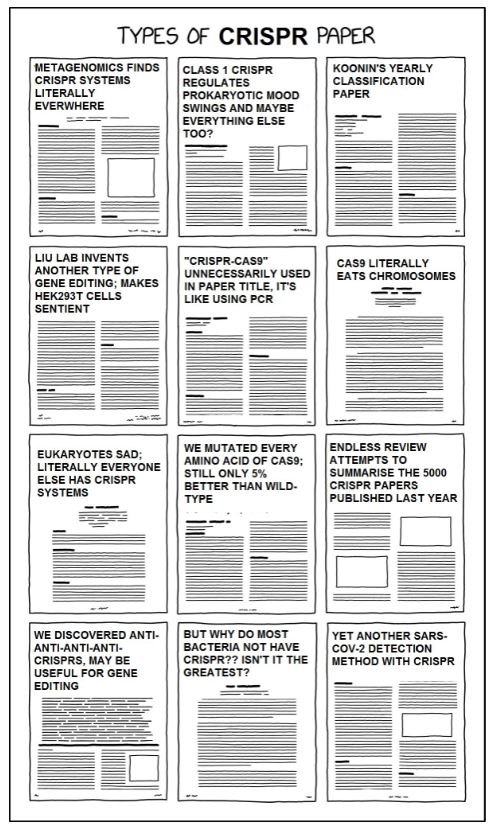
Continue readingIf you think science is boring, think again. The American cartoonist Randall Munroe drew a webcomic called Types of scientific paper and several scientists jumped on the bandwagon adapting the idea to their field. Here are “Types of genome editing paper” and “Types of CRISPR paper”. You can find more on Twitter (Types of bioethics/chemical biology/plant science/…).

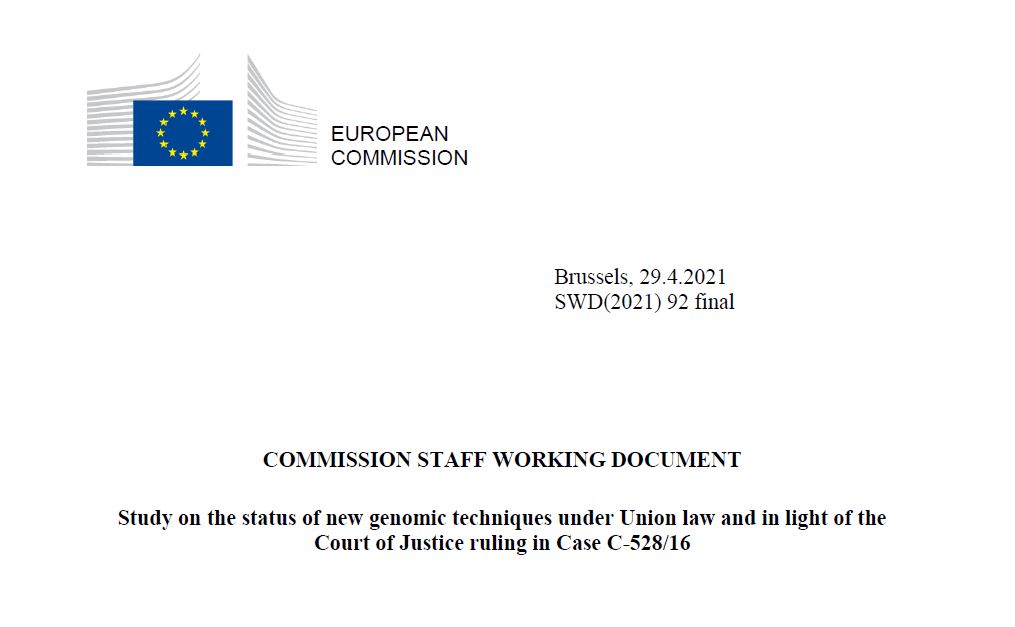
The EC delivered the long-awaited study on the status of New Genomic Techniques (NGTs), taking into account the state of the art knowledge and the views of the EU countries and stakeholders. Take the time to check it out!.

The Somatic Cell Genome Editing (SCGE) Consortium is working to accelerate the development of better methods of editing. Seventy-two principal investigators from 38 institutions are pursuing 45 distinct but well-integrated projects, funded by the US National Institutes of Health with US$190 million over 6 years. A perspective published in Nature details their plans:
“New genome editors, delivery technologies and methods for tracking edited cells in vivo, as well as newly developed animal models and human biological systems, will be assembled—along with validated datasets—into an SCGE Toolkit, which will be disseminated widely to the biomedical research community. We visualize this toolkit—and the knowledge generated by its applications—as a means to accelerate the clinical development of new therapies for a wide range of conditions”.


What should I be when I grow up? The DNA-tailor aka gene-editor is among the cool jobs of the future suggested by this book for children published in Italy. Explaining CRISPR to kids is fun. Wired did it in 2007, and the New York Times followed soon (see below).
Continue reading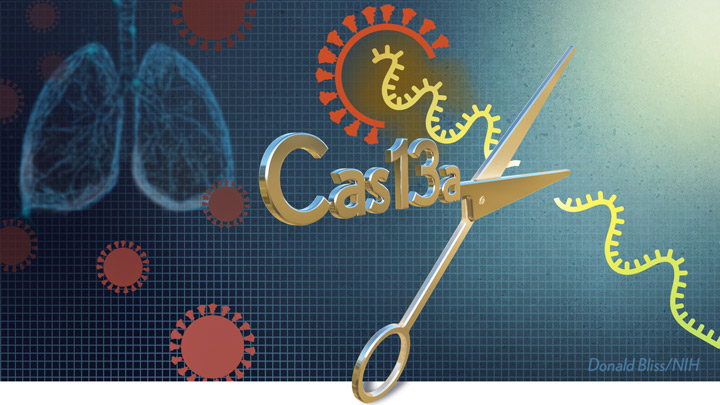
CRISPR-based diagnostic tests for Sars-Cov2 are coming, as you probably know. But what about CRISPR-based antiviral therapy? It would seem a natural outcome for a technology inspired by the way many bacteria fight their viruses. Indeed this kind of research is being pursued in a handful of labs, using a CRISPR enzyme targeting RNA instead of DNA.
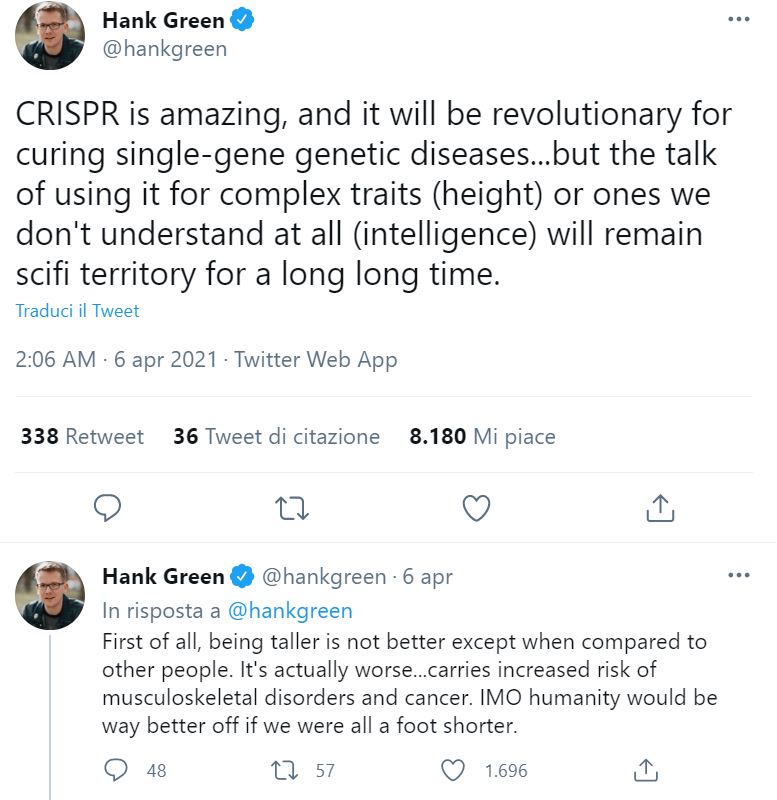
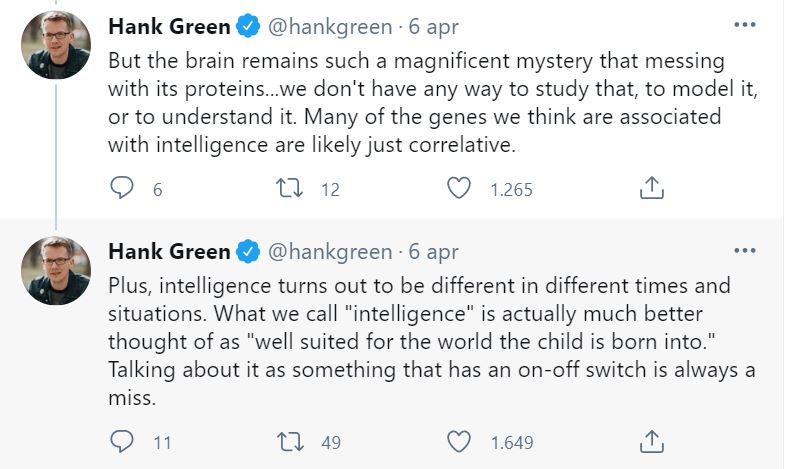
Continue readingAccording to his Twitter bio, Charles Murray is a “Husband, father, social scientist, writer, Madisonian. Or maybe right-wing ideologue, pseudoscientist, evil. Opinions differ.” You may remember him as the co-author of the controversial book “The Bell Curve” (1994), discussing purported connections between race and intelligence. The bad news is that he recently joined the CRISPR debate by tweeting “Gene editing to raise IQ will have a huge market”. The good news is that confutation is easy and a little irony is the best reply (check out Fyodor Urnov’s tweet in the gallery below).

What’s unique about this book are the insights into the relationships between the main characters of the CRISPR saga. The loyal friendship linking Jennifer Doudna and George Church. The growing distrust between Doudna and Zhang. Doudna’s sorrow that she and Charpentier have drifted apart, personally as well as scientifically. The last point is indeed a melancholic note in the Nobel-ending tale. Why did their friendship fall apart?
Continue reading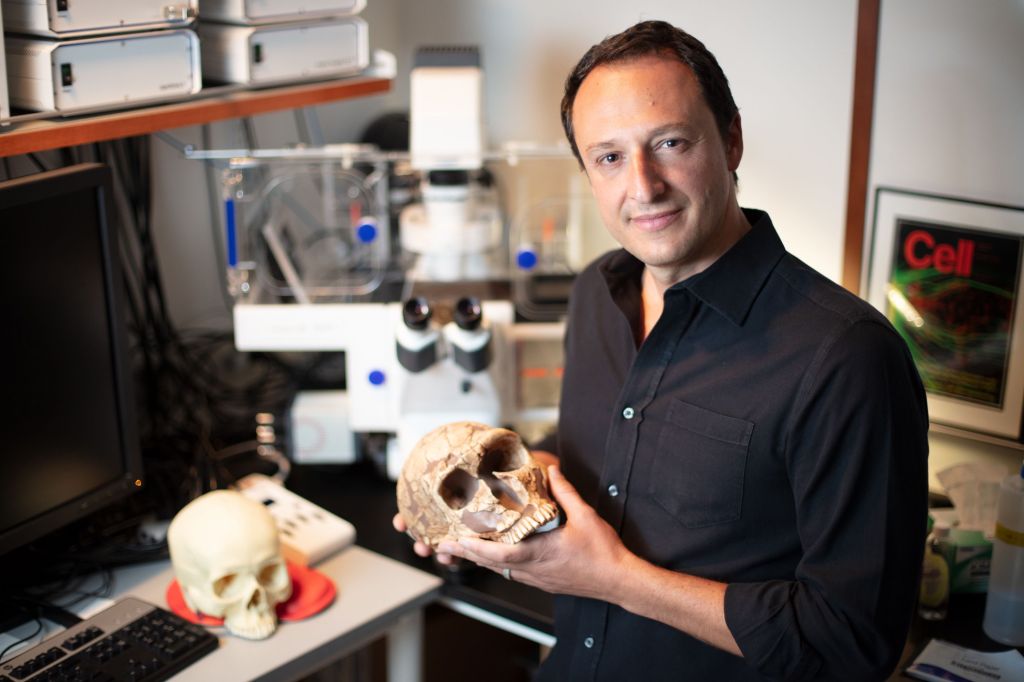
Alysson Muotri is a neuroscientist at the University of California, San Diego. His team is developing lentil-size, Neanderthalized mini-brains by using CRISPR + paleogenomics + organoids. After reading the paper published in Science last February, we asked him a few questions about the experiments of paleo-gene-editing he is doing at the Archealization Center.
Continue reading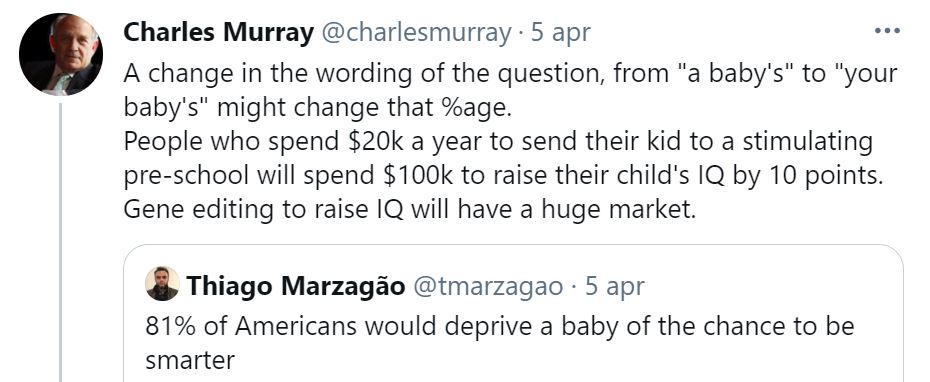


 CRISPeR FRENZY