CRISPR & society, the dialogue resumes
Reply

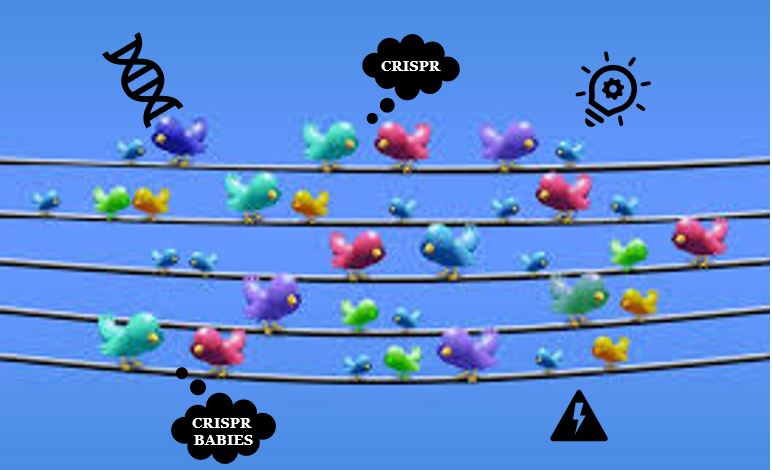
The analysis of tweets discussing CRISPR from 2013 to 2019 shows that public enthusiasm for genome editing has cooled a bit, and that’s physiological. As you can see below, a bioRxiv paper associates peaks of strong negative sentiments with specific events.
Continue reading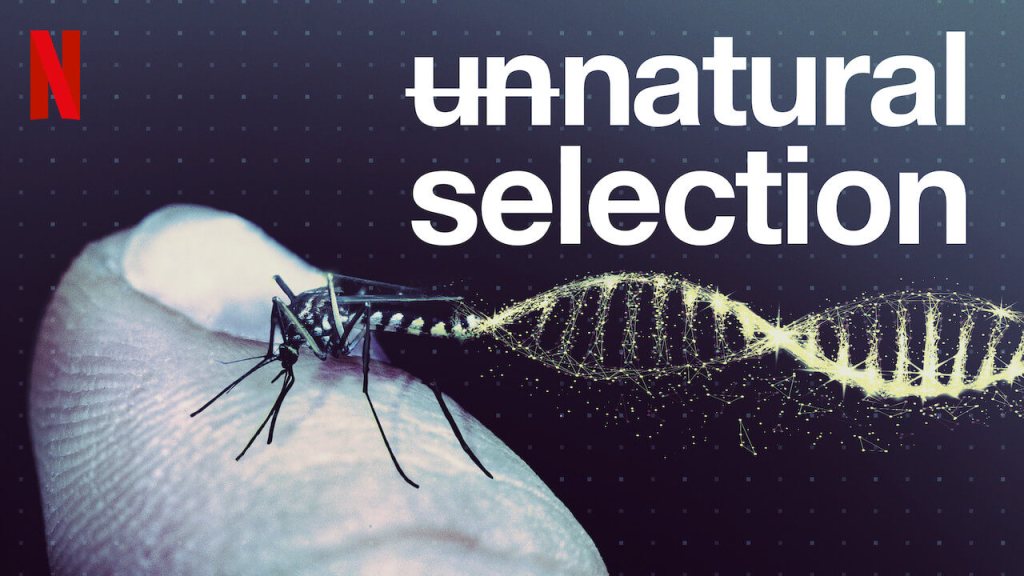
I binge-watched Unnatural Selection, as many CRISPR enthusiasts have done. My review in a few words: the Netflix miniseries is a patchwork of bad and good. On the minus side, too many biohackers and too little real science. On the plus side, some interesting reporting on social issues, such as public engagement of local communities and the challenge of patient access to novel therapies. To sum up: episode 1 on biohacking is the worst, episode 3 on gene drives is the best. So my advice is: don’t give up at the first disappointing scenes. You might want to, but do not stop.
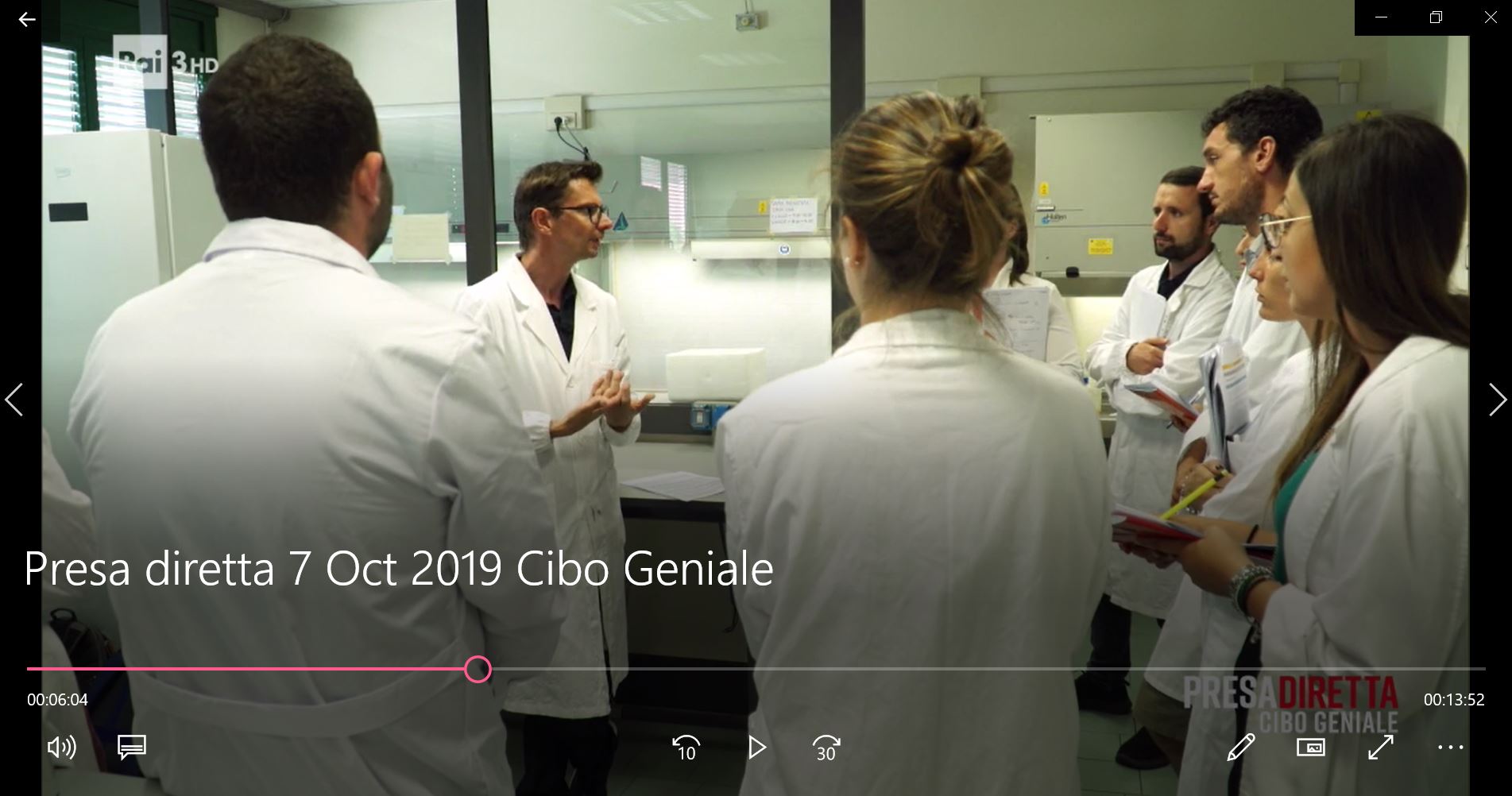
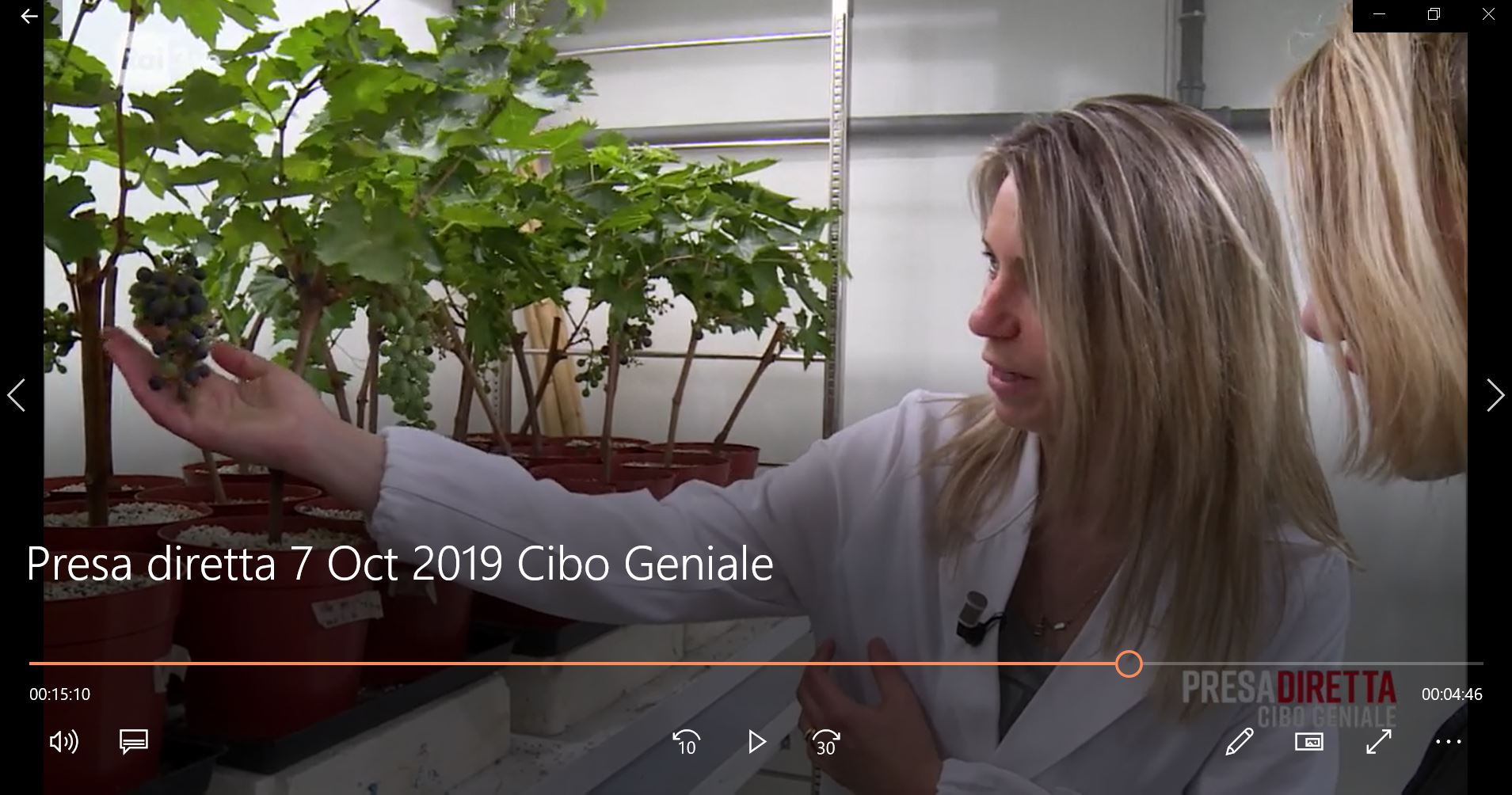
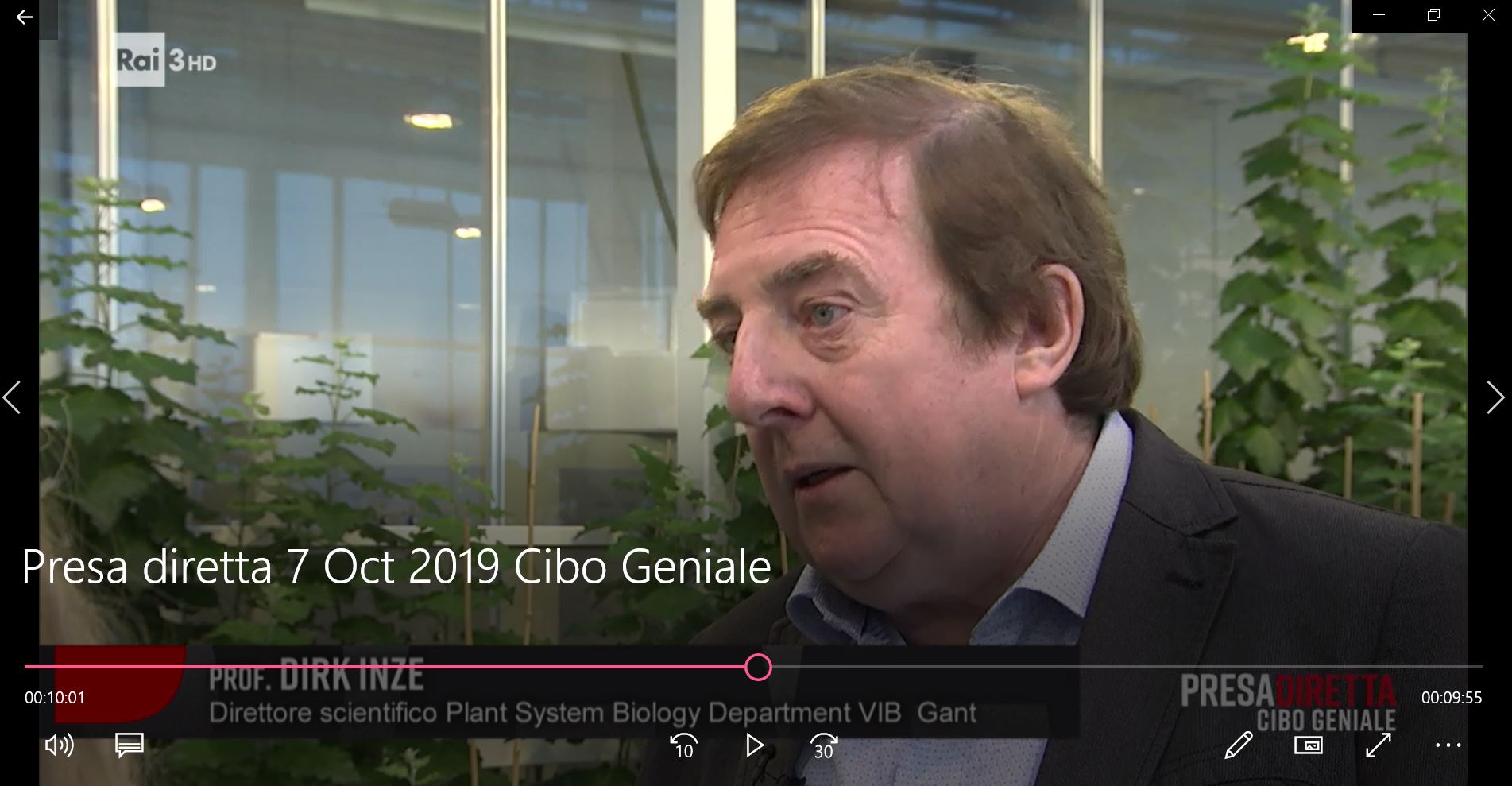
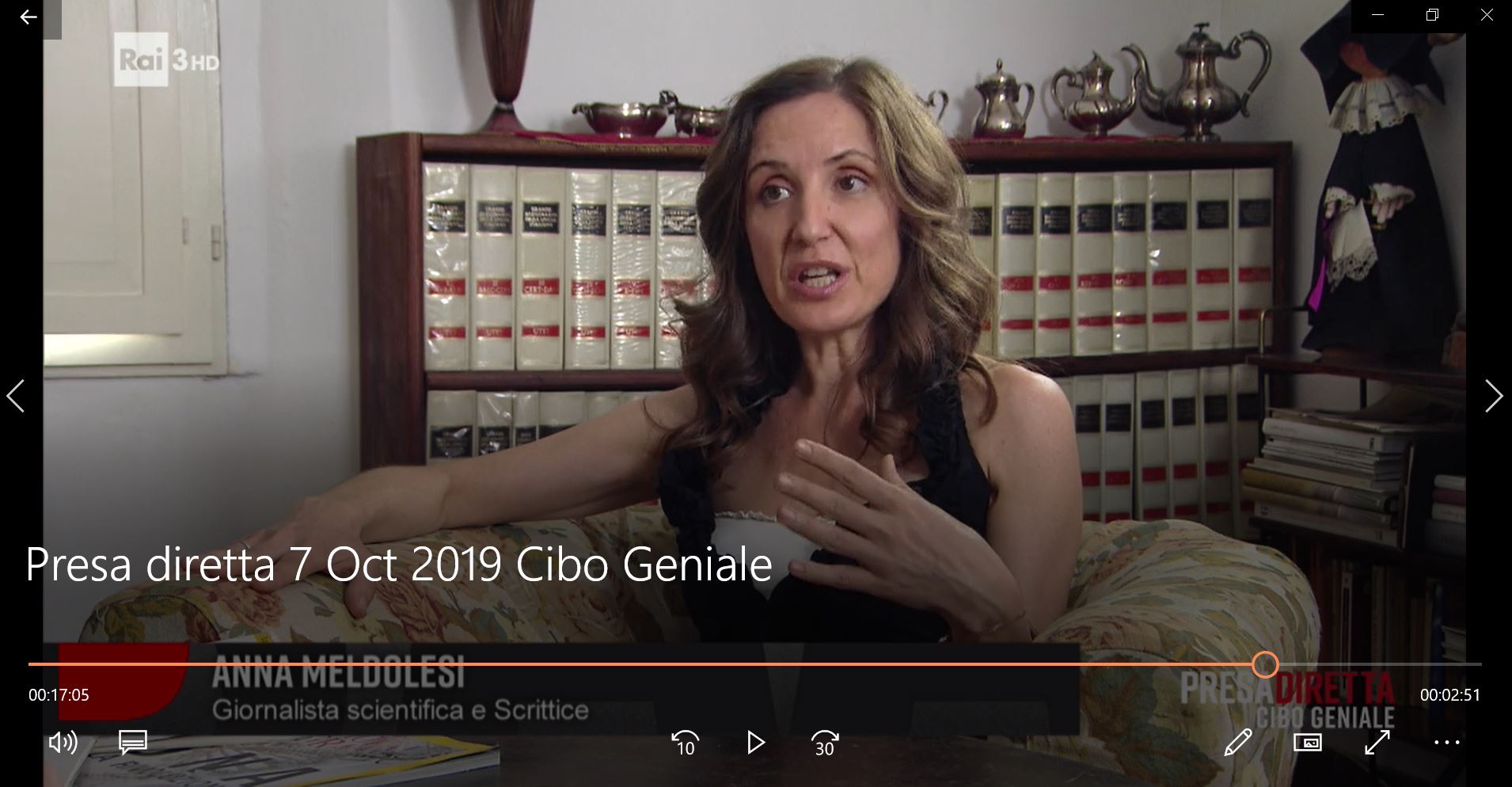
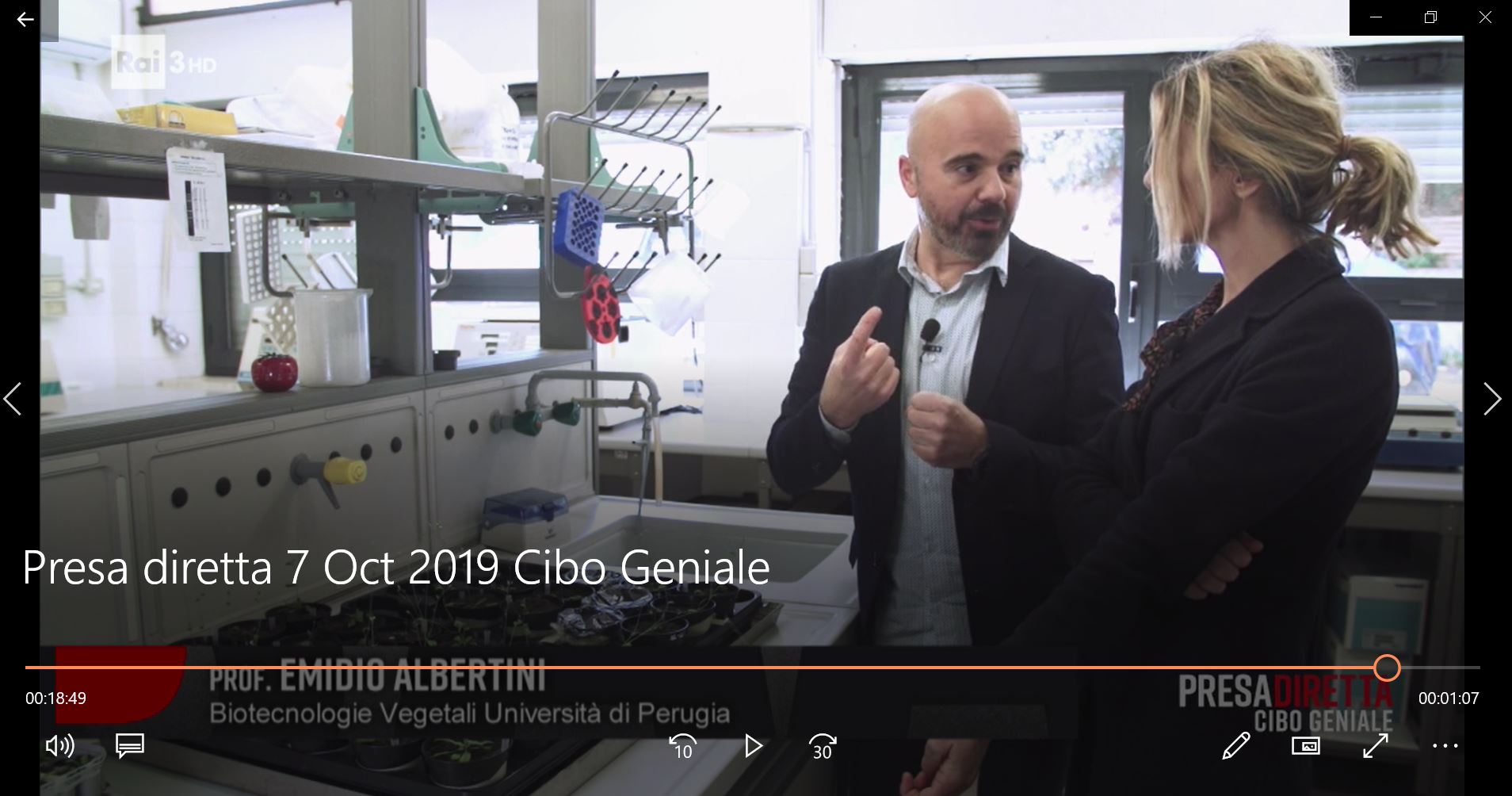
Few days ago Italian ag scientists experimenting with CRISPR explained the technique’s revolutionary potential in a show broadcasted by national television (Presa Diretta, “Cibo geniale” – meaning “Ingenious Food” – by Lisa Iotti, Ra3, 7 Oct 2019).
Continue reading Influential author and broadcaster Adam Rutherford delivered a keynote at CRISPRcon2019, comparing the evolution of music with genetic technologies. The public attending the conference in Wageningen was asked not to record the presentation, but nothing prevents me from redoing one of his slides. Continue reading

Content analysis of the articles published in North America from 2012 to 2017 shows, overall, a strong promotion of CRISPR. See the paper by Alessandro Marcon et al. in Genetics in Medicine.

Never at the top of front pages (Nyt, 27 Nov. 2018)
Twenty days after the announcement, many questions remain. The one certainty seems to be that the first CRISPR babies are less breaking news than expected.
They will be in front pages again, probably, if and when the scientific paper gets published, if and when the baby-editor He Jiankui resurfaces, if and when the first photos of Lulu and Nana are circulated. But if the coverage of Dolly the sheep is considered in comparison, there’s no match. Why?
The media world has changed dramatically in the meantime, CRISPR is still unknown to many, China is perceived as a Wild East where anything can happen. But a sheep is always a sheep, and babies are babies. We should care about the first edited kids more than that. Maybe people are less troubled by human genome editing than most bioethicists. Perhaps the media have had enough of Gattaca, Frankenstein, and the likes. Did we cry wolf too often yesterday to get people interested today?
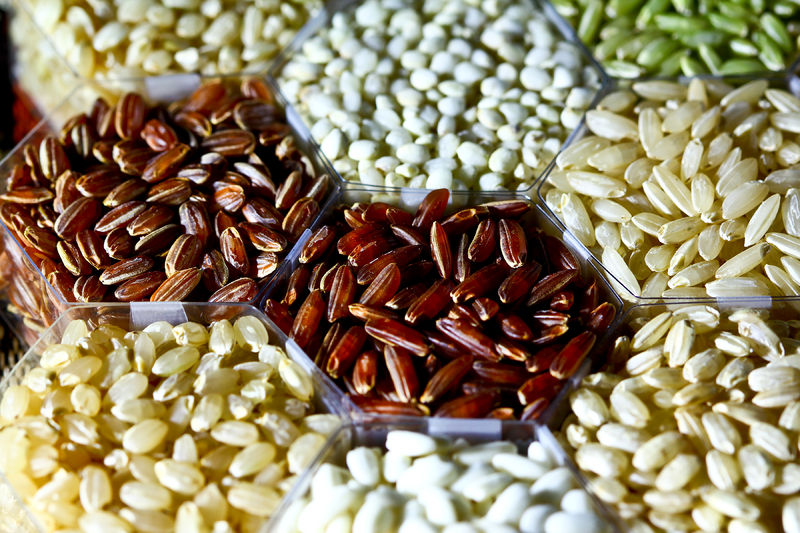 Just imagine you could find them all on the supermarket shelves, would you buy rice labeled as CRISPR or GMO, or stick to conventional non-genetically modified rice? And what price would you consider fair? Aaron Shew and colleagues from the University of Arkansas conducted a multi-country assessment of willingness-to-pay for and willingness-to-consume a hypothetical CRISPR-produced food and published their findings in Global Food Security. Continue reading
 The Swiss army knife is still the best analogy to describe what CRISPR can do, according to STAT’s top-ten, and we can’t disagree. But please take a look at this revised picture from Nature Reviews Genetics. CRISPR has learned new tricks; it’s much more than a pair of scissors by now.