Can CRISPR resurrect Neanderthals?

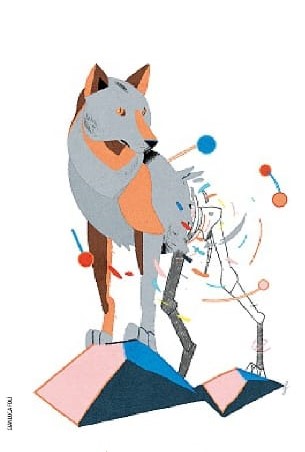
After the uproar over the de-extinction of dire wolves, bioethicist Arthur Caplan asked in Plos Biology: “Should scientists be allowed to bring distant human ancestors back to life?” The Italian edition of Scientific American invited me to investigate how technically difficult it would be to de-extinct a Neanderthal and what the risks and benefits of such a project might be. Below are the statements provided by the specialists I consulted.

Continue reading
Edited and polyselected babies: what’s going on?

An investigation by The Wall Street Journal has looked into Silicon Valley companies pushing the most controversial frontiers of assisted reproduction. It combines two rather different themes. Number one: the production of numerous embryos from which to choose based on a polygenic score that includes predispositions to hundreds of diseases and even a handful of desirable non-medical traits. Number two: gene-editing of embryos (also known as heritable or germline editing), which we’ve discussed many times since the case of the CRISPR babies in China and which now seems to be gaining new ground (the most talked-about company in this field is called Preventive).

Continue reading

Can technology replace animal testing?

New Approach Methodologies (NAMs) have a bright future ahead, but they should be seen as complementary rather than alternative to classical experimentation.

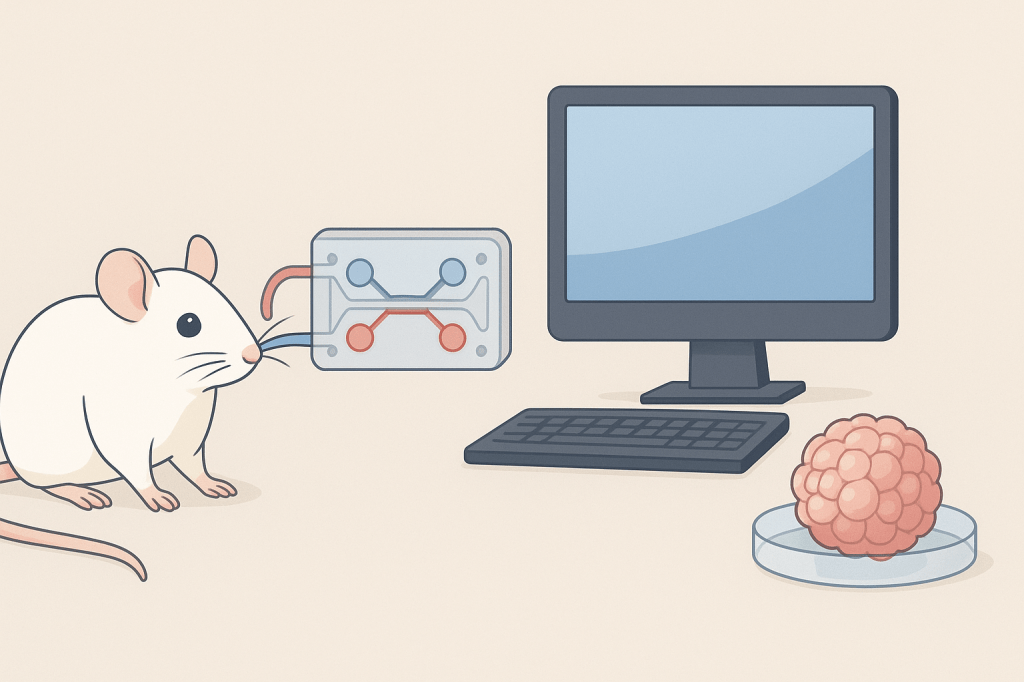
Regulatory and funding agencies in the U.S. and Europe are promoting ambitious initiatives to foster the development and adoption of advanced systems capable of testing the effects of drugs and other substances without using animal models. The hope is that biomedical research can become more ethical, safer, and cheaper. But the challenge is complex, and the requirements vary depending on the application. As a result, some voices urge a faster “transition,” while others warn that rushing the process could be risky. Recently published articles in leading scientific journals capture this polarized debate, but they also hint at a possible middle ground.

Continue reading

From skin cells to life: the future of artificial gametes

The progress achieved in Japan through experiments on mice has shown the way forward, but replicating these results in humans will pose technical, ethical, and legal challenges

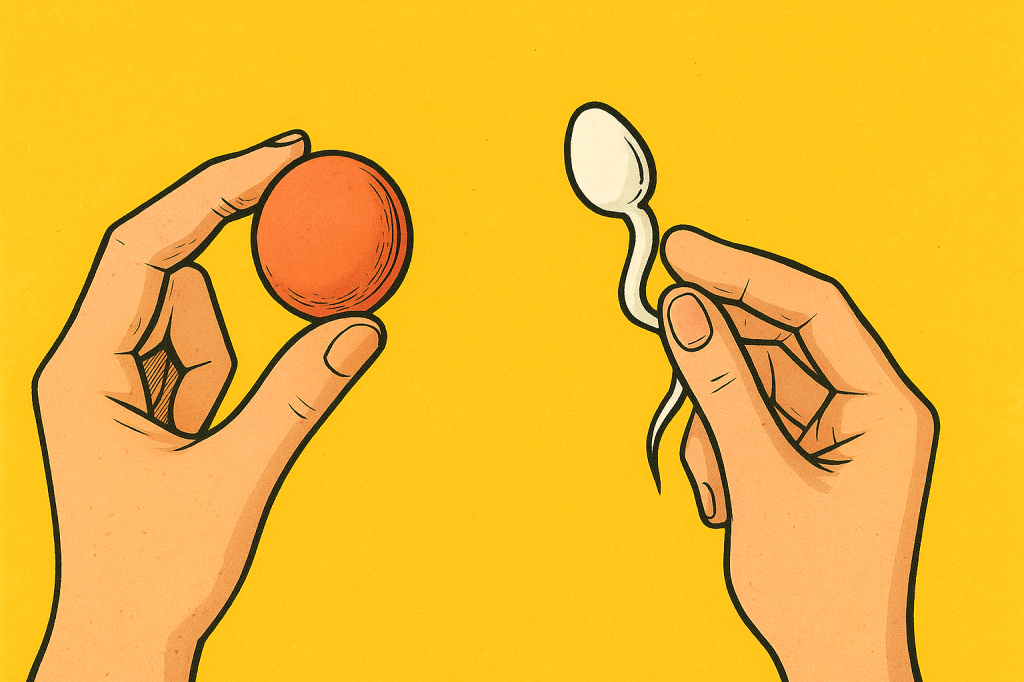
Gametogenesis is the process by which gametes — male and female sex cells — are formed. In nature, it occurs inside the testes and ovaries, starting from progenitor cells that receive a variety of signals. Replicating the process in vitro is already possible in mice, albeit with low efficiency. Some specialists expect that within a decade, knowledge and technology will have advanced enough to apply these methods to humans, producing both sperm and eggs from cells taken from other parts of the body, and from individuals of either sex. This could allow infertile couples to have genetically related children without external donors, but it would also open the door to troubling new scenarios.

Continue reading

Genetic rescues for biodiversity? Proceed with caution

Photo©IUCN/Andrew McConnell/Workers Photos

The International Union for Conservation of Nature (IUCN) rejects the moratorium request and approves a resolution recognizing the risks and benefits of SynBio techniques, calling for case-by-case evaluations

Continue reading

The US against RNA: how did it end? 

Last spring, we reported on the possible fall from grace of messenger RNA technology within the US administration. This was despite the Nobel Prize awarded to Katalin Karikó and Drew Weissman, and despite the millions of lives saved by RNA vaccines during the COVID-19 pandemic. So, how did it end? 

Continue reading

CRISPR pork and the challenge of animal welfare

Classic genetic modification has met the most resistance in the livestock sector, but soon, American consumers will be able to eat meat from the first gene-edited animals: pigs immune to the PRRS virus.

BBQ ribs, pulled pork, crispy bacon. In the near future, those visiting the U.S. will likely have the opportunity to taste classic American dishes in a genetically edited form. The Food and Drug Administration has, in fact, approved the first pigs whose genome has been edited using CRISPR to make them resistant to a serious viral disease: porcine reproductive and respiratory syndrome (PRRS).

Continue reading

Crying dire wolf

The dire wolves “genetically resurrected” by the U.S.-based company Colossal have impressed many with their beauty but have also scandalized others. Among the latter are commentators criticizing the media hype, and naturalists worried that a few partially “de-extinct” animals may attract more attention than the long list of species currently at risk of extinction due to climate change and other human actions. It doesn’t help that the dire wolves’ comeback has no foundation in published scientific data—no peer-reviewed articles, no preprints yet, only two extensive reportages and some YouTube videos. There is certainly room for controversy. However, if we only listen to the critical voices, we risk losing sight of some key facts.

Continue reading

Is RNA unwelcome? Let’s hope it’s a misunderstanding

source: Nature Biotechnology

Rumor has it that RNA has fallen out of favor politically, presumably as a key molecule for vaccines against Covid, making it an unwelcome symbol to the U.S. administration in the era of Robert F. Kennedy Jr. and Donald Trump. According to reports, U.S. researchers have been advised to specifically remove references to messenger RNA from research projects competing for public funding.

Continue reading

The Economist explores the age of CRISPR

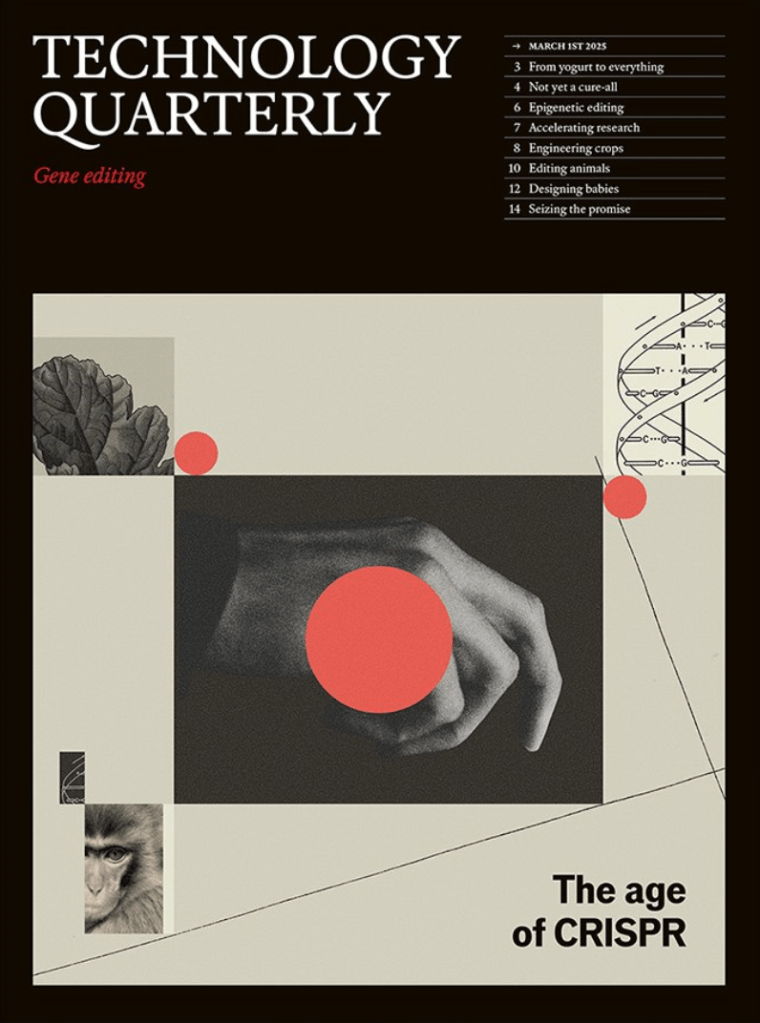
At first glance, it looks like the cover of a design magazine, but it’s actually the technology supplement published by The Economist in March. Titled ‘The Age of CRISPR,’ it features eight articles exploring the most cutting-edge areas of genome editing—gene therapies, xenotransplantation, epigenetic editing, gene drives, gene-edited plants, and much more. It doesn’t shy away from the challenges, from companies struggling to stay afloat to regulatory hurdles. But the tone is measured: the era of sensationalism is over, yet CRISPR is here to stay.

Continue reading