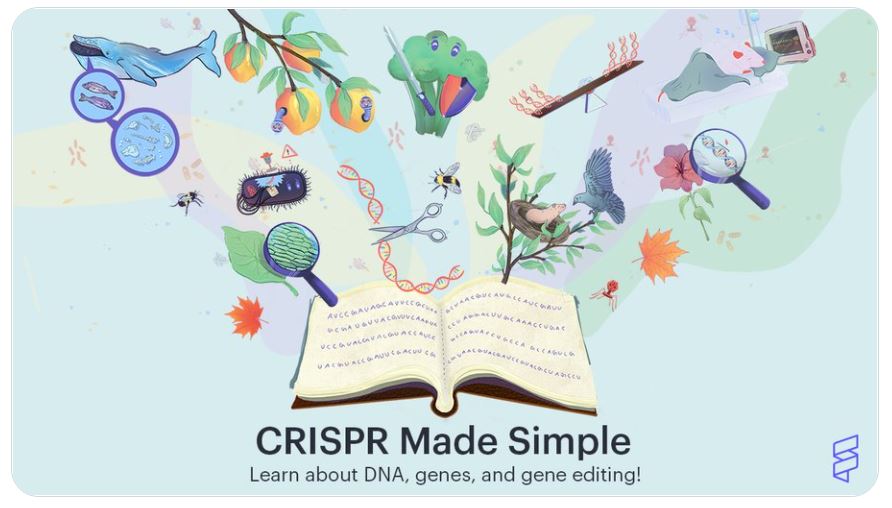
CRISPR-GPT: a copilot for editing

Nature Biomedical Engineering has introduced a chatbot specifically designed to help beginners with their first experiments and to support experienced researchers in their work.

Since it was first described in Science in 2012, in the landmark paper by Emmanuelle Charpentier and Jennifer Doudna, the success of the CRISPR technique has been summed up with a handful of adjectives: cheap, precise, easy to use. But since everything is relative, it’s worth asking: how easy, and compared to what? When measured against previous genetic editing platforms, CRISPR is far simpler to apply. Whereas only a few highly specialized centers could once perform these experiments, with CRISPR a standard lab, the basic skills of an ordinary biologist, and solid familiarity with bioinformatics may be enough. Still, novices need guidance, and even seasoned researchers can run into problems.

Continue reading

Xenotransplants Edge Closer to Reality

There is still no consensus on the best way to humanize pig organs, but recent progress has convinced the Food and Drug Administration (FDA) to greenlight the first clinical trial.

The trial will begin enrolling six participants, and could expand to 44 if early results are promising. A six-month survival after the xenotransplant will be considered a success indicator, although it’s unclear how many patients will need to reach this milestone to win the agency’s approval.

Continue reading

CRISPR-babies creator is out of prison. What’s next?

And so He Jiankui has been set free after three years in a Chinese prison. What will become of him? Antonio Regalado from MIT Technology Review is the journalist who made the CRISPR-baby scandal explode in 1998 and is probably the best-informed source right now. Regalado writes that “it’s unclear whether He has plans to return to scientific research in China or another country,” but expects that “he’ll find a place in China’s entrepreneurial biotech scene”. Maybe in a low-profile niche as cloner Woo-Suk Hwang did after falling into disgrace several years ago in South Korea?

Continue reading

The M-word and a CRISPR divorce

French microbiologist Emmanuelle Charpentier (L) and professor Jennifer Doudna of the U.S. pose for the media during a visit to a painting exhibition by children about the genome, at the San Francisco park in OviedoWhere is Jennifer Doudna? This is the first thought most journalists had – me included – when reading the list of signatories to the call for the moratorium on heritable genome editing just published by Nature. The Boston team is well represented by Lander, Zhang and Liu (nobody would expect George Church to join that call). But the magnificent couple Doudna-Charpentier has conspicuously split up. Continue reading