Beyond Baby KJ: manufacturing lessons for the next CRISPR cures

The coordinated effort that last spring saved the life of little KJ Muldoon earned widespread and enthusiastic media coverage. But between the invention of the treatment and its delivery to the patient lay a lesser-told story: an unprecedented manufacturing sprint. Genetic Engineering & Biotechnology News organized an online roundtable led by its deputy editor in chief, Julianna LeMieux, to discuss how therapeutic components were produced quickly, cost-effectively, and to clinical-grade standards.

Continue reading
Baby KJ is a symbol of hope — But is it replicable?

The personalized editing therapy developed at record speed for the American newborn required preliminary studies, favorable circumstances, and a heroic collective effort.

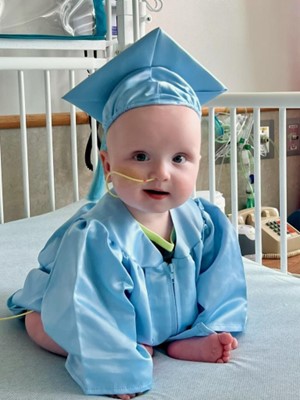
After 307 days, little KJ Muldoon was discharged from the Children’s Hospital of Philadelphia (CHOP), wearing a tiny graduation outfit complete with a blue gown and cap. Born ten months ago with a severe metabolic disorder, the baby received a genome editing therapy developed exclusively for him, and his remarkable progress has been hailed by many as the dawn of a new era in precision medicine. A month after the publication of his case in the New England Journal of Medicine, we take a closer look at how researchers managed to develop the treatment in just six months—and whether this breakthrough could be replicated for other rare disease patients in need of life-saving therapies.

Continue reading