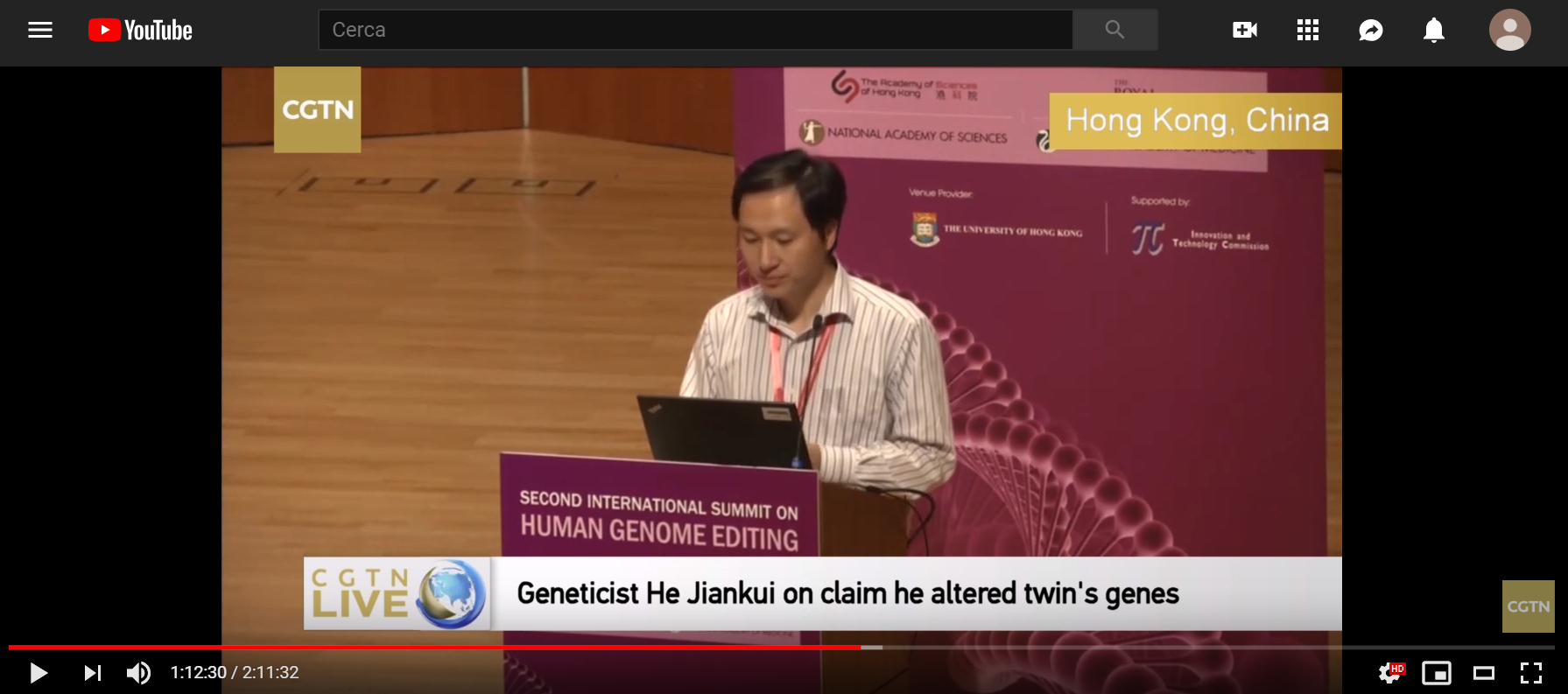
Edited and polyselected babies: what’s going on?

An investigation by The Wall Street Journal has looked into Silicon Valley companies pushing the most controversial frontiers of assisted reproduction. It combines two rather different themes. Number one: the production of numerous embryos from which to choose based on a polygenic score that includes predispositions to hundreds of diseases and even a handful of desirable non-medical traits. Number two: gene-editing of embryos (also known as heritable or germline editing), which we’ve discussed many times since the case of the CRISPR babies in China and which now seems to be gaining new ground (the most talked-about company in this field is called Preventive).

Continue reading
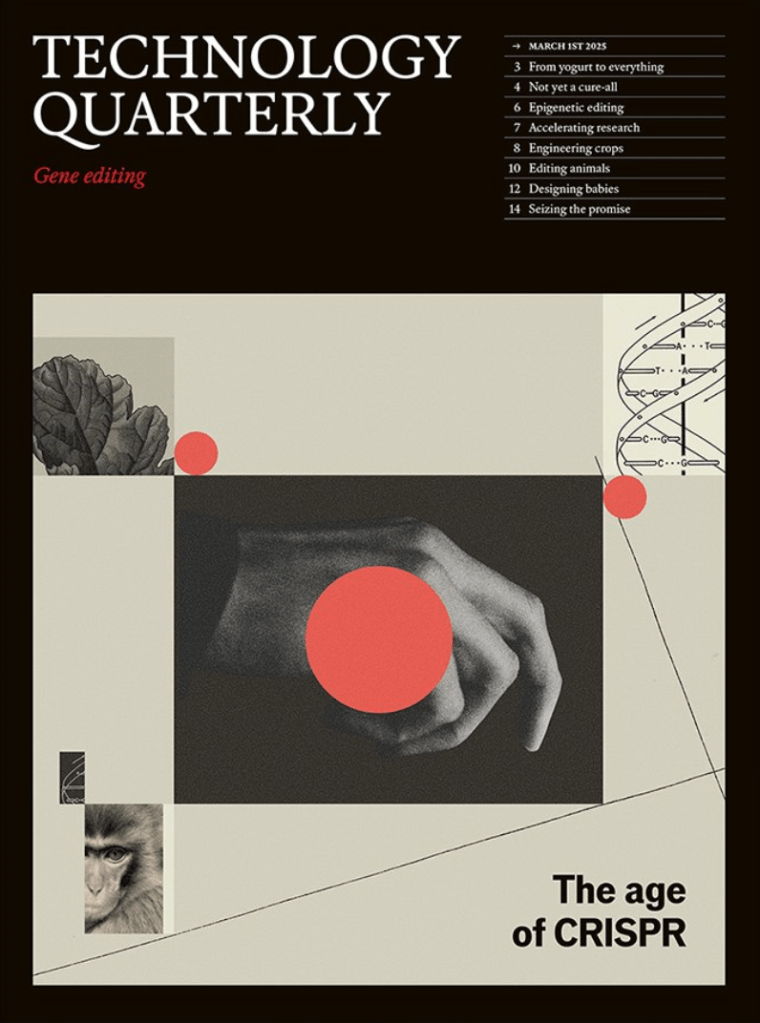
The Economist explores the age of CRISPR

At first glance, it looks like the cover of a design magazine, but it’s actually the technology supplement published by The Economist in March. Titled ‘The Age of CRISPR,’ it features eight articles exploring the most cutting-edge areas of genome editing—gene therapies, xenotransplantation, epigenetic editing, gene drives, gene-edited plants, and much more. It doesn’t shy away from the challenges, from companies struggling to stay afloat to regulatory hurdles. But the tone is measured: the era of sensationalism is over, yet CRISPR is here to stay.

Continue reading

Make People Better – an imperfect job

The tale of the experiment behind the birth of the first gene-edited humans has historical significance but continues to resemble an incomplete puzzle. I had hoped to find a few more hints and answers about the He Jiankui affair in the 2022 docufilm “Make people better” directed by Cody Sheehy, but now that I finally got to see it I must confess to a bit of disappointment. The impression is of being faced with a bricolage job executed with several valuable elements (never-before-seen footage and audio recordings) and too many random materials. It must be said that the task was difficult, for at least two reasons.

Continue reading

Just ignore He Jiankui, don’t feed his ego

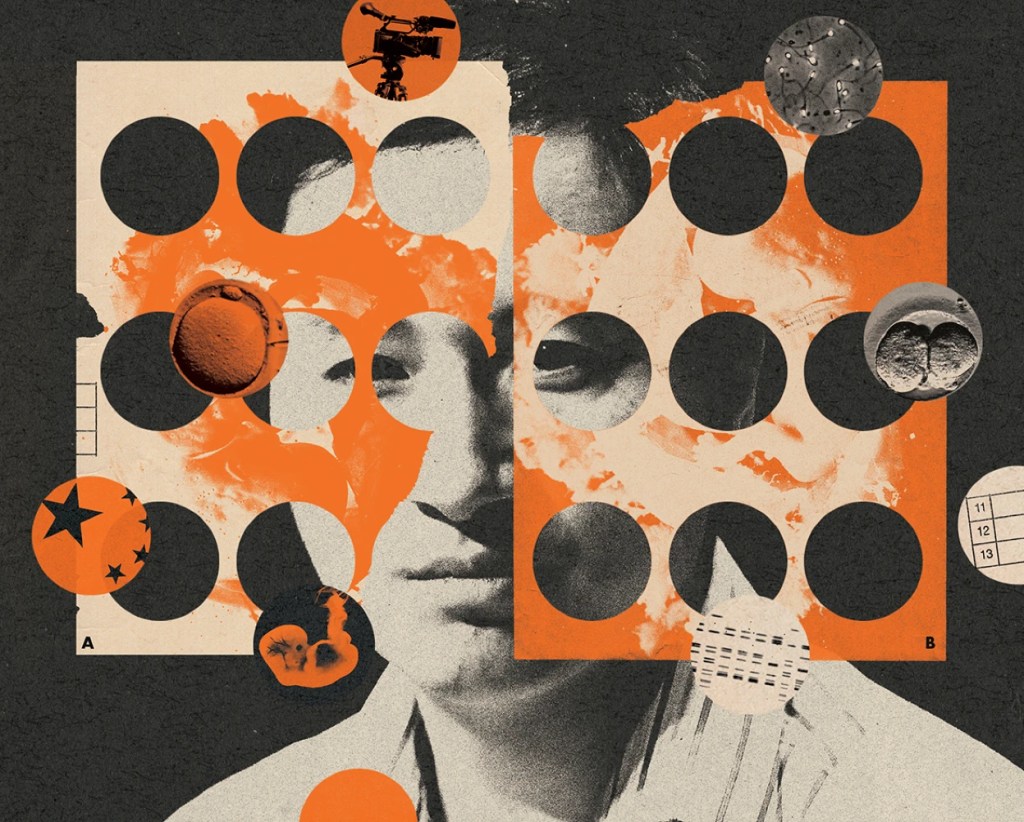
(Illustration by Mike McQuade, source Nature)

The Chinese scientist who edited the CRISPR babies was released from prison last spring. He tweets lightheartedly announcing that he has opened a new lab in Beijing. He claims to be dedicated to rare diseases. He is looking for funding that hopefully no one wants to give him. In the rogue experiment that made him famous, he violated so many ethical principles that the only thing one can hope for is that he changes jobs. Is it appropriate for influential newspapers and prestigious institutions to give him a limelight for this attempt to come back on the scene?

Continue reading

CRISPR-baby sentence, too little info to comment?

The year 2019 ended with three years in jail sentenced to He Jiankui for illegal medical practice. The CRISPR-baby scandal’s epilogue was applauded on twitter by a few leading scientists such as Craig Venter and Fyodor Urnov and decried on STAT News by the controversial biohacker Josiah Zayner. Most experts, however, stayed silent.

As stressed by the Washington Post, “the judicial proceedings were not public, and outside experts said it is hard to know what to make of the punishment without the release of the full investigative report or extensive knowledge of Chinese law and the conditions under which He will be incarcerated.”

The M-word and a CRISPR divorce

French microbiologist Emmanuelle Charpentier (L) and professor Jennifer Doudna of the U.S. pose for the media during a visit to a painting exhibition by children about the genome, at the San Francisco park in OviedoWhere is Jennifer Doudna? This is the first thought most journalists had – me included – when reading the list of signatories to the call for the moratorium on heritable genome editing just published by Nature. The Boston team is well represented by Lander, Zhang and Liu (nobody would expect George Church to join that call). But the magnificent couple Doudna-Charpentier has conspicuously split up. Continue reading