
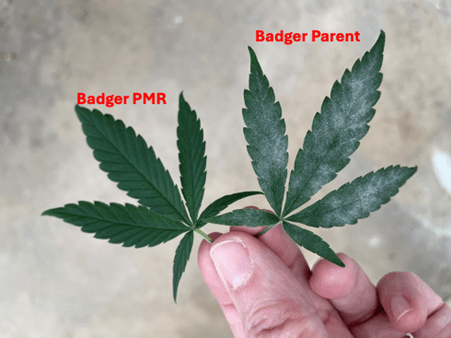
In a book published several years ago titled The Botany of Desire, Michael Pollan devoted a chapter to the evolution of cannabis. When our ancestors began cultivating hemp in the Neolithic period, they were interested in its fibers, but they were soon won over by its special effects. Perhaps it wasn’t we who domesticated cannabis, it may have been cannabis that domesticated us. The question is: why did evolution favor the production of psychoactive substances? Perhaps cannabinoids help the plant protect itself from radiation damage or pests. Or maybe, Pollan suggests, they enabled hemp to win the favor of human beings, who then actively cultivated it. Now evolution continues in labs, also with the help of gene editing, including efforts to eliminate those psychoactive substances from varieties used for therapeutic purposes. The latest news is that two new varieties have recently been deregulated in the United States.
Continue reading

 CRISPeR FRENZY