
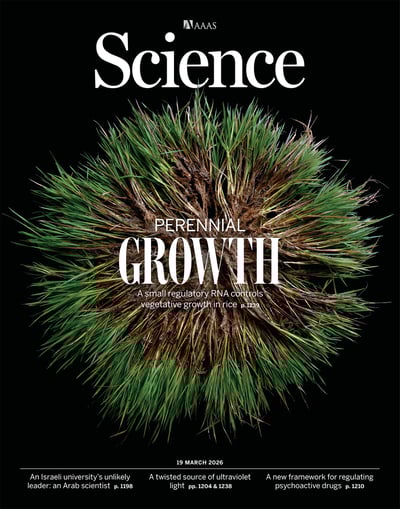
Most of the plants that form the basis of our diet die after completing a single life cycle, which is why they must be sown each year. However, some wild relatives of rice can survive for multiple cycles and are therefore described as perennial. The good news is that a Chinese research group has identified a genetic locus encoding a key regulatory element (a microRNA) that can enable vegetative regrowth. Through breeding, Bingxin Dai and colleagues have introduced this and other useful traits into cultivated rice, developing lines capable of growing for more than one year. This rice is not yet perfect; in particular, further refinement will be needed to achieve full fertility. Nevertheless, the goal of perennialism is now a step closer. There is hope that crops like these will support more sustainable agriculture in the future, reducing soil loss caused by ploughing, as well as lowering energy use and reliance on agrochemicals.
 CRISPeR FRENZY