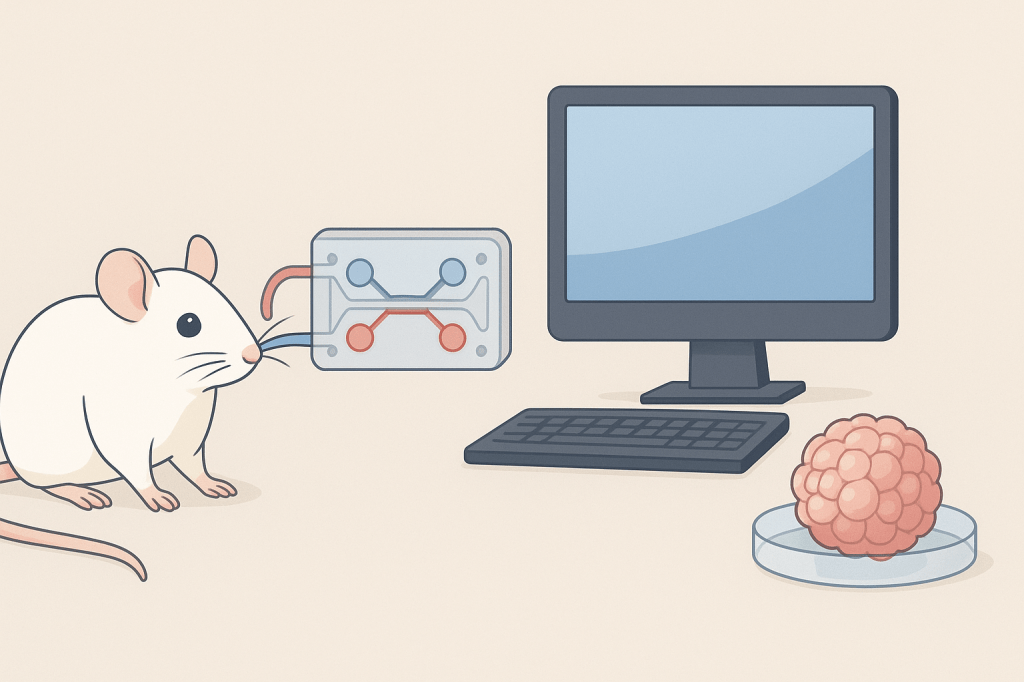
Can technology replace animal testing?

New Approach Methodologies (NAMs) have a bright future ahead, but they should be seen as complementary rather than alternative to classical experimentation.

Regulatory and funding agencies in the U.S. and Europe are promoting ambitious initiatives to foster the development and adoption of advanced systems capable of testing the effects of drugs and other substances without using animal models. The hope is that biomedical research can become more ethical, safer, and cheaper. But the challenge is complex, and the requirements vary depending on the application. As a result, some voices urge a faster “transition,” while others warn that rushing the process could be risky. Recently published articles in leading scientific journals capture this polarized debate, but they also hint at a possible middle ground.

Continue reading
CRISPR-GPT: a copilot for editing

Nature Biomedical Engineering has introduced a chatbot specifically designed to help beginners with their first experiments and to support experienced researchers in their work.

Since it was first described in Science in 2012, in the landmark paper by Emmanuelle Charpentier and Jennifer Doudna, the success of the CRISPR technique has been summed up with a handful of adjectives: cheap, precise, easy to use. But since everything is relative, it’s worth asking: how easy, and compared to what? When measured against previous genetic editing platforms, CRISPR is far simpler to apply. Whereas only a few highly specialized centers could once perform these experiments, with CRISPR a standard lab, the basic skills of an ordinary biologist, and solid familiarity with bioinformatics may be enough. Still, novices need guidance, and even seasoned researchers can run into problems.

Continue reading

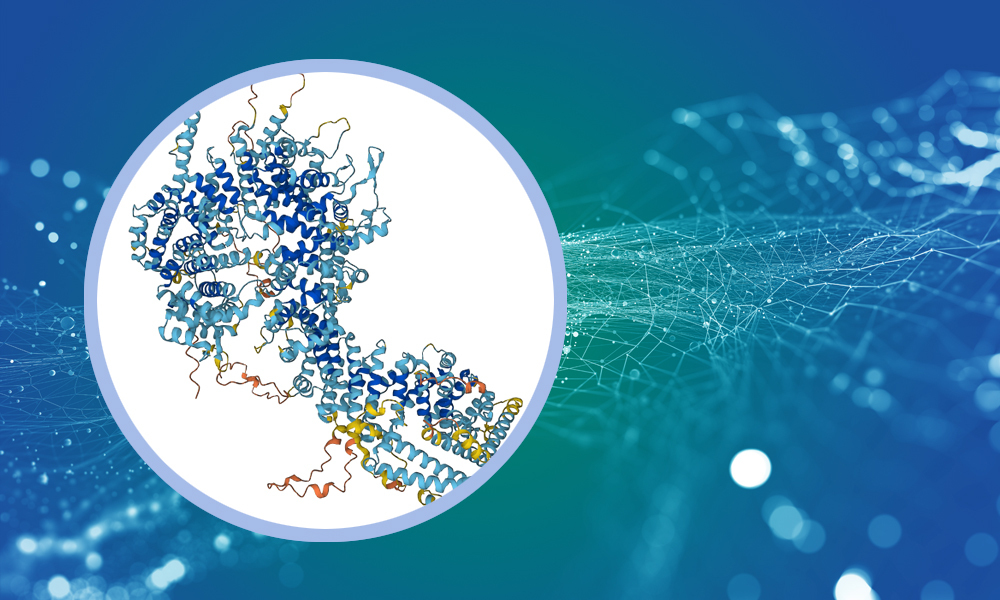
Why AI + CRISPR Will Define 2025

Image Credit Karen Arnott/EMBL-EBI

Have you read Jennifer Doudna’s article in Wired? She discusses how the combination of CRISPR and artificial intelligence could be transformational. In her lab, researchers recently used AI tools to help find “small gene-editing proteins that had been sitting undiscovered in public genome databases because we simply didn’t have the ability to crunch all of the data that we’ve collected”.

Continue reading

OpenCRISPR – gene editing meets AI

OpenCRISPR, credit Profluent

Natural evolution has had four billion years to experiment with living matter. From now on, artificial intelligence will also help expand the catalog of possible and desirable molecules. These so-called ‘language systems’ are no longer limited to producing text or images, as exemplified by ChatGPT or Midjourney. They can now be instructed and utilized to design new proteins, thereby potentially creating improved CRISPR scissors.

Continue reading