
Berkeley vs. Boston. Jennifer Doudna vs. Feng Zhang. The patent battle on the technique that is revolutionizing life sciences has often been described as a duel between the group that first experimented the CRISPR platform on the genome of bacteria and the group that, a few months later, adapted the system for use in eukaryotic cells. But the patent landscape is more complicated than that, and there are worries that the stunning potential of this genetic modification technology may crumble under a mountain of intellectual property rights claims. The good news is that several patent holders are discussing how to merge their assets into a joint licensing pool, to allow interested researchers to deal with a single subject. But will this strategy be suffice to safeguard the common interest, which is to enable as many groups as possible to work to turn CRISPR promises into reality? Continue reading
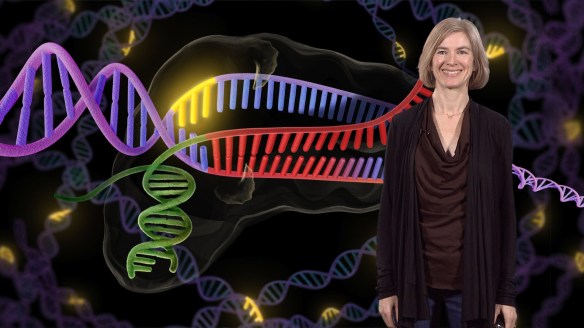 The University of Berkeley has opened a glimpse into the way bacteria use CRISPR, the microbial immune system that inspired the invention of the method for genetic modification also known as CRISPR. The paper published in
  Faster, better, cheaper is a motto adopted by Nasa that perfectly fits CRISPR as well. The most popular technique for genetic modification, in fact, has the reputation of being quick, affordable and precise. This deserved good name was unexpectedly tarnished by a study questioning the technology precision, published in the June issue of Nature Methods. However, reports about CRISPR’s demise have been greatly exaggerated, to paraphrase Mark Twain. Just over a month later, three analyses challenging the controversial study are already available in the pre-publication archive bioRxiv, and Nature Methods has alerted its readers about the criticisms received by publishing an
 CRISPeR FRENZY