
After half a century of experimentation, biotech tools have advanced to the point that many treatments capable of changing the lives of people with rare and ultrarare diseases would be achievable, at least in theory. However, the harsh reality is that, in the vast majority of cases, the costs of research and production are too high, while the number of beneficiaries of each treatment is too small, to attract and then maintain the interest of the pharmaceutical industry.
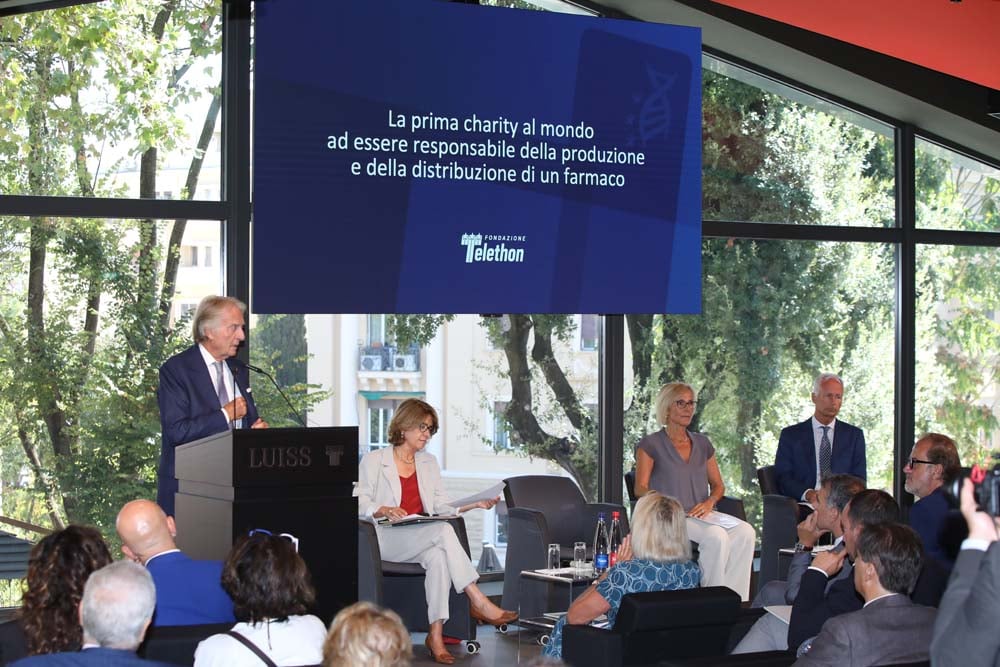
After the first biomedical “valley of death” in which flawed drugs fatally strand, a second economic “valley of death” is looming for treatments that work but are not profitable enough, ss Michele De Luca and Giulio Cossu wrote in EMBO Reports. It is in this context that the Italian charity Fondazione Telethon last week announced the transfer of the marketing authorization for Strimvelis, a gene therapy for the immunodeficiency ADA-SCID developed by their reserachers (at SR-Tiget in Milan) and then abandoned by the manufacturer (Orchard Therapeutics) despite the excellent results.
“We are the first non-profit organization to take on the commercialization of a gene therapy. This step is necessary to remain true to our mission and continue ensuring access to this important therapy,” said Telethon’s general manager Francesca Pasinelli. Will others follow suit? To learn more about the background of this decision you can read our post from a year ago; for an updated insight we recommend Telethon’s press release.
 CRISPeR FRENZY